This opportunity to go to
Romania was amazing
and I’m very grateful.
Since the beginning of the
project, I’ve learned so
many things and,
obviously I’ve also learned
in the two mobilities that I
did to Poland and
Romania.
I’ve learned how to
distinguish different types
of teas and their functions,
the history of the
romenian food and how
the traditional soup is
cooked and which are the main ingredients. We visited the Botanical Garden of Iasi and saw
amazing plants.
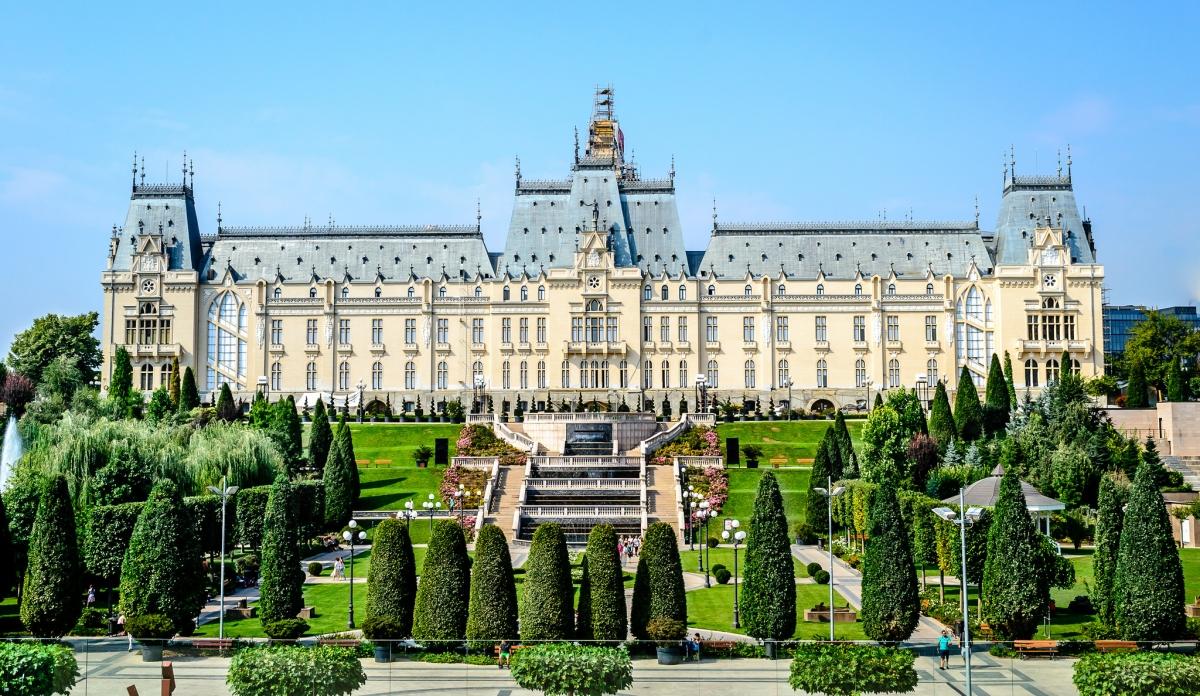
But we also learned cultural differences, like the history of Iasi and of its region, the traditional
dances, music, etc. We saw amazing landscapes, mainly in the mountains. That visit was
fantastic.
After these incredible 2 years, I and my fellows learned how to be healthy but also how
important is to know different cultures, different people, different lifestyles too. We’ve learned
60
Be Healthy, Be Natural, Be Smart 2015 – 2017 Erasmus + Project magazine, third issue, ISSN 2501-6326
that in the future we have to be more tolerant and we have to help to create a better future for
Europe.
Miguel Anselmo, Portugal
Work revised by teacher Ana Maria Bayan
Mostrar mensagens com a etiqueta “Be Healthy. Mostrar todas as mensagens
Mostrar mensagens com a etiqueta “Be Healthy. Mostrar todas as mensagens
terça-feira, 11 de julho de 2017
A Journey to Holboca
It was an unforgettable experience, I’ve learned many new
things, carried out various activities, visited beautiful places and
made new friends.
#Day 1 On the first day, concerning the activities, we performed the activity of therapeutic tea, where through the smell and taste, we had to identify the herbs corresponding to our tea and then to be aware of their properties. The students and the teachers welcomed us in such a friendly way. showed us some of the culture of Iasi. For example, at lunch, they taught us how to make a typical and healthy vegetable soup from Romania. It was very tasty. Then we went back home and we met some people who showed us the village.
#Day 2 On the second day, we learned about the history and culture of Iasi. We did a kind of a sightseeing tour. After it we went to Hamac Park, where we did arborism, which I really enjoyed doing and it was a lot of fun. Then we left to have lunch, where everybody had fun and danced a lot. Afterwards we went home and then we went to town.
#Day 3 On Wednesday, everyone had fun while learning typical dances from Romania. Then we learned modern dances and played basketball and volleyball. When we finished, we returned to the school where we ate typical food prepared by the students' mothers. After lunch, we went to the botanical garden of Iasi and learned about the environment and in the evening we went back home. On this day, we left school early in the morning and took a long bus ride until we reached the Hasmasul Mare nature reserve, which was beautiful and where the students took several photographs for the photography contest. After lunch, we played badminton and soccer and then went back to school. At school, the teachers met to choose the winners of the contest and then handed over the prizes. Later we went home.
#Day 5 - The last day On the last day, we did a workshop and an activity about emotions, where I learned that it is better to be positive. Then to help us to write a CV in the future, we filled the Europass Form and we also answered the final questionnaire about the project. We saw a few presentations 59 Be Healthy, Be Natural, Be Smart 2015 – 2017 Erasmus + Project magazine, third issue, ISSN 2501-6326 on the European Union and a review of the Erasmus + project over the last two years. Then the diplomas were handed to us and the students went to a party. We ended the day in the city, all together, with farewells.
Iris Rodrigues, Portugal
Work revised by teacher Ana Maria Bayan
#Day 1 On the first day, concerning the activities, we performed the activity of therapeutic tea, where through the smell and taste, we had to identify the herbs corresponding to our tea and then to be aware of their properties. The students and the teachers welcomed us in such a friendly way. showed us some of the culture of Iasi. For example, at lunch, they taught us how to make a typical and healthy vegetable soup from Romania. It was very tasty. Then we went back home and we met some people who showed us the village.
#Day 2 On the second day, we learned about the history and culture of Iasi. We did a kind of a sightseeing tour. After it we went to Hamac Park, where we did arborism, which I really enjoyed doing and it was a lot of fun. Then we left to have lunch, where everybody had fun and danced a lot. Afterwards we went home and then we went to town.
#Day 3 On Wednesday, everyone had fun while learning typical dances from Romania. Then we learned modern dances and played basketball and volleyball. When we finished, we returned to the school where we ate typical food prepared by the students' mothers. After lunch, we went to the botanical garden of Iasi and learned about the environment and in the evening we went back home. On this day, we left school early in the morning and took a long bus ride until we reached the Hasmasul Mare nature reserve, which was beautiful and where the students took several photographs for the photography contest. After lunch, we played badminton and soccer and then went back to school. At school, the teachers met to choose the winners of the contest and then handed over the prizes. Later we went home.
#Day 5 - The last day On the last day, we did a workshop and an activity about emotions, where I learned that it is better to be positive. Then to help us to write a CV in the future, we filled the Europass Form and we also answered the final questionnaire about the project. We saw a few presentations 59 Be Healthy, Be Natural, Be Smart 2015 – 2017 Erasmus + Project magazine, third issue, ISSN 2501-6326 on the European Union and a review of the Erasmus + project over the last two years. Then the diplomas were handed to us and the students went to a party. We ended the day in the city, all together, with farewells.
Iris Rodrigues, Portugal
Work revised by teacher Ana Maria Bayan
A Trip to Iasi
Throughout these years of Erasmus + project, students and teachers had the opportunity to
know different cultures and
people that will stay forever
in our memory. The motto of
the project was to be
healthy and based on this
idea we learned to
distinguish different types of
therapeutic tea and their
uses. This consisted of a
small activity where each
group had to guess what tea
was presented to us and
then read their respective
functions.
We learned some of the traditional Romania food and the way it was prepared and cooked in a healthy way. During all week, we had physical exercise activities to strengthen our physical health. Teachers and students taught us how to dance different Romanian dances. We visited the Botanical Garden where we could observe a great number of species of plants and their properties. We went to the Bicaz Mountains where we took the best photos, for the photography contest. T
he last day there were some presentations about the project and about the European Union and an activity about mind development and emotions and what these could cause to us.
After these two years project, we learned lots of new things, but mainly that to be healthy it’s not only a question of doing exercise and eating well but rather to understand each other and the different cultures and habits of life.
Nádia Pires, Portugal
Work revised by teacher Ana Maria Bayan
We learned some of the traditional Romania food and the way it was prepared and cooked in a healthy way. During all week, we had physical exercise activities to strengthen our physical health. Teachers and students taught us how to dance different Romanian dances. We visited the Botanical Garden where we could observe a great number of species of plants and their properties. We went to the Bicaz Mountains where we took the best photos, for the photography contest. T
he last day there were some presentations about the project and about the European Union and an activity about mind development and emotions and what these could cause to us.
After these two years project, we learned lots of new things, but mainly that to be healthy it’s not only a question of doing exercise and eating well but rather to understand each other and the different cultures and habits of life.
Nádia Pires, Portugal
Work revised by teacher Ana Maria Bayan
An Erasmus+ Mobility in Romania
Last May I was in Romania for Erasmus Plus. This was the best trip I ever had in
Erasmus Plus project, because I had a great interaction with other students and because I
learned a lot about some issues, like how to prepare a delicious therapeutic tea and know
what its properties are. We had the opportunity to learn about Iasi, the city where we were:
the culture, the food, the dances that are very nice.
The Portuguese culture is not very different from the Romanian's. The most different thing is the way to prepare a soup, and we knew that all from the beginning, in Bucharest (we stopped a few hours in Bucharest to take the plane to Iasi).
We went to the Botanic Garden where we saw several kinds of plants. I ‘ve never imagined that we could see so many different types of plants!
We went to Bicaz mountains where we could see the most beautiful view. We saw the way that the Earth subsystems can interact: atmosphere, biosphere and hydrosphere.
We had to wake up very early to go to these mountains but it was for a good cause!
At the mountains we played several sports, like Badminton or Tennis because this was a heathy project, and sports are good for our health.
The last day, we watched some presentations about the European Union. We learned about the countries, the Euro, the symbols, the flag and the anthem. We also learned about the Erasmus Plus project with a presentation by the Italian and Romanian students.
At the end, all the students received a certificate for their participation. We had to communicate with lots of people, so we had some small groups where we could know better each other.
I had the chance to speak english with other students, and I stayed with a Romanian family and only at the last evening I was with another Portuguese student.
Madalena Monteiro, Portugal
Work revised by teacher Ana Maria Bayan
The Portuguese culture is not very different from the Romanian's. The most different thing is the way to prepare a soup, and we knew that all from the beginning, in Bucharest (we stopped a few hours in Bucharest to take the plane to Iasi).
We went to the Botanic Garden where we saw several kinds of plants. I ‘ve never imagined that we could see so many different types of plants!
We went to Bicaz mountains where we could see the most beautiful view. We saw the way that the Earth subsystems can interact: atmosphere, biosphere and hydrosphere.
We had to wake up very early to go to these mountains but it was for a good cause!
At the mountains we played several sports, like Badminton or Tennis because this was a heathy project, and sports are good for our health.
The last day, we watched some presentations about the European Union. We learned about the countries, the Euro, the symbols, the flag and the anthem. We also learned about the Erasmus Plus project with a presentation by the Italian and Romanian students.
At the end, all the students received a certificate for their participation. We had to communicate with lots of people, so we had some small groups where we could know better each other.
I had the chance to speak english with other students, and I stayed with a Romanian family and only at the last evening I was with another Portuguese student.
Madalena Monteiro, Portugal
Work revised by teacher Ana Maria Bayan
quinta-feira, 25 de maio de 2017
Experiência de ensino/aprendizagem "Be healthy, be natural, be smart" - Roménia
Erasmus+
Projeto “Be healthy, be natural,
be smart”
Iasi
27
de maio a 3 de junho

Iaşi, no
passado conhecida como Jassy ou Jassi
é a capital do distrito de Iasi na região da Moldávia. A sua população é de 320.888 habitantes e sua área é de
93,9 km². É uma das maiores cidades da Roménia.

.
Aqui apresentamos algumas indicações para que a tua viagem e a tua
estadia em Iasi decorra o melhor possível
Para a viagem:
Não esquecer:
- Passaporte, Bilhete de Identidade ou Cartão do Cidadão;
- Cartão de Saúde (ADSE, Seguro de Saúde, Cartão Europeu de Saúde,
etc.);
- Artigos de higiene pessoal;
- Medicação necessária;
- Pastilhas elásticas (para quando da descolagem e da aterragem);
- Roupa apropriada às condições climatéricas:
Bagagem
de mão:
Atenção à tua bagagem – deve ser fácil de transportar!
… e atenção ao que não podes levar na cabine:
·
corta-unhas
·
limas
·
canivetes
·
tesouras
·
facas ou
objectos cortantes
·
sprays
·
isqueiros
·
ferramentas
Já sabes:
·
Aproveita esta
experiência que vai ser única. Apura bem os sentidos e absorve tudo à tua
volta!
·
Representa a
tua escola e o teu país com orgulho e dignidade! Dá o teu melhor!
·
Em Roma sê
romano: mesmo que algo não te agrade, pensa que tudo foi preparado com muito
cuidado e carinho pelos teus colegas e suas famílias, por isso, com educação,
tenta entrar no espírito Erasmus+: partilha e conhecimento de outra cultura
europeia.
Sabias que…
A língua
oficial é o romeno, do conjunto das línguas indo-europeias (inglês, alemão,
francês, português, russo etc). O romeno é, assim como o português, uma língua
de origem latina.
A maior parte
da população (em torno de 89%) segue a Igreja Católica Ortodoxa.

Os romenos
tomam sopa quase todos os dias, de preferência acompanhada por um pedaço de
pão. Outro prato comum nas mesas romenas é a moussaka, uma espécie de lasanha
com fatias de beringela e carne moída (de origem turca, a moussaka é comum em
países como Bulgária, Grécia, Sérvia e, claro, Turquia).

·
A bandeira da Roménia
é esta:

segunda-feira, 17 de abril de 2017
Disseminação do projeto "Be healthy, be natural, be smart"
Disseminação da semana de ensino/aprendizagem do projeto Erasmus plus "Be healthy, be natural, be smart".


A revista mensal de abril da Junta de Freguesia da Penha de França publicou um artigo a relatar o âmbito e contornos deste projeto.


sábado, 15 de abril de 2017
"Be healthy, be natural, be smart" - semana de atividades em Lisboa
Na semana de 6 a 11 de março de 2017, o nosso agrupamento de escolas recebeu professores e alunos do projeto "Be healthy, be natural, be smart" paea uma atividade de ensino/aprendizagem no âmbito das ciências.
Foi uma semana muito preenchida e completa que contou com atividades variadas:
Boas-vindas:


Vista ao rio Sado e ao Convento dos Capuchos:


Foi uma semana muito preenchida e completa que contou com atividades variadas:
Boas-vindas:


Apresentação do trabalho realizado:


Musicoterapia:


Visita ao Oceanário e ao Parque das Nações:


Vista ao rio Sado e ao Convento dos Capuchos:


Apresentação diária de trabalhos:


Testemunho do atleta olímpico Nuno Silva sobre a alimentação dos atletas:


Experiências laboratoriais:


Atividades desportivas:


Visita a Sintra e ao Parque e Palácio de Monserrate:


Explicação sobre as propriedades do azeite:


Atividades de âmbito cultural e de interação social:


segunda-feira, 25 de julho de 2016
Ainda Dona Mencia
do Projecto Erasmus +
No
dia 2 de abril de 2016, pelas 11 horas da manhã, parti com os meus colegas e
professoras para a localidade de Doña
Mencia, em Espanha. A viagem foi longa e cansativa, apesar de termos parado
várias vezes.
À
chegada a Doña Mencia, fomos todos
recebidos com um enorme sorriso e muito nervosismo natural. Eu próprio senti
vergonha. Conheci nesse momento o Antonio, o estudante espanhol com quem
eu iria ficar cerca de uma semana. A
chegada a casa do Antonio foi muito acolhedora, fui recebido pela família do
meu colega de uma maneira inesperada e alegre, mostrara-me a casa e puseram-me
à vontade. Finalmente, à noite, todos os alunos envolvidos no projecto foram
jantar a um restaurante.
No
dia seguinte, domingo de manhã, nós, alunos portugueses, e os alunos turcos
(chegados de manhã) subimos à montanha que se localiza na parte lateral da
vila.

Na
tarde de domingo, fui visitar uma localidade próxima da vila onde estava a
residir, Zuheros, que está localizada
dentro do Parque Natural de las Sierras
Subbéticas, no cimo de uma serra. A aldeia onde estive está repleta de
casas brancas cuja arquitetura é muito semelhante e tem um castelo de onde se
pode ver toda a localidade.
Na segunda-feira,de manhã cedo, fomos com os
nossos colegas espanhóis para a escola onde eles estudam. O toque de
entrada soava às 08:00 da manhã. À chegada fomos acolhidos por todos os alunos
e professores da escola. Os nossos colegas espanhóis apresentaram a todos os
alunos estrangeiros presentes os projetos que tinham desenvolvido no curto
espaço de tempo compreendido entre as deslocações realizadas a Espanha e a
Itália.
Na
hora do lanche/intervalo (11:30 horas), todos se sentaram numa roda e comeram o
lanche. Conforme o programa da viagem, naquele dia deveríamos ir ao cimo
da serra visitada anteriormente, mas por questões de mau tempo tivemos de
ficar na escola a praticar atividades desportivas, tais como jogos e desporto
em geral. Ao fim da tarde, todas as famílias trouxeram um prato típico da
localidade para o jantar.
Na terça-feira, começamos o dia a fazer alguns
workshops de dança, aprendemos a dançar a Sevilhana, de seguida fomos a um
workshop de reciclagem. Da parte da tarde fomos de autocarro até Granada onde fizemos compras e visitamos
o Palácio de Alhambra. Regressamos à
localidade onde estávamos a residir por voltas 18.30 horas. Jantei na casa da
família de acolhimento e fui dormir.

Na manhã de quarta-feira, comecei o dia na escola,
novamente às 8.00 da manhã, tendo participado na realização de um workshop
sobre Dança Espanhola Sevilhana.
Seguiram-se atividades desportivas que aconteceram no Pavilhão Desportivo da
localidade. Voltamos à escola onde realizamos mais alguns workshops sobre como
fazer uma bebida isotónica, sobre comida saudável e como cozinhar um prato
típico da aldeia. A tarde foi passada de modo livre, sem atividades
programadas.
Na manhã de quinta-feira, começamos o dia na escola a
assistir a uma exibição de dança Sevilhana
onde todos as alunos estrangeiros participaram. Seguiram-se workshops sobre as
propriedades do azeite e sobre reciclagem de azeite usado. Partimos para BAENA por volta das 11.00 da manhã.
Assim que chegamos, fomos visitar um lagar de produção de azeite. De seguida
pudemos ir fazer uma visita cultural por Baena
onde conhecemos diversos monumentos que caracterizam a história daquela cidade.
Regressamos a Doña Mencia onde
jantamos com todos os alunos que participavam nesta viagem, como forma de
celebrar o projeto e ao mesmo tempo fazer uma despedida em conjunto.
No último dia (sexta-feira), começamos por responder
na Biblioteca da escola a alguns questionários sobre a atividade em geral. A
rádio local esteve presente e fez-nos algumas perguntas sobre a atividade que
estávamos realizar. Por volta das 11.30 horas, partimos para Córdova. Visitamos a cidade e a mesquita
que se caracteriza por ser a primeira construção feita por os muçulmanos na Península Ibérica. Às 17.30
horas regressamos a Doña Mencia, onde
nos despedimos calorosamente das famílias de acolhimento bem como de grande
parte da população da vila que se veio despedir de nós.
Iniciamos a viagem de regresso a Portugal que terminou à porta da Escola Nuno Gonçalves por volta da uma hora da manhã.
Francisco Gouveia 8º3ª
Lublin - Polónia
Olá, eu sou o Miguel Anselmo e vou contar-vos um pouco da minha
aventura na Polónia.
Primeiro dia: Acordei às 3:00 para, às 6:45, embarcarmos no Aeroporto da Portela
com destino a Espanha. Quando chegamos a Madrid, ainda ponderamos ir visitar a
cidade, mas, infelizmente, achamos melhor não visto que nos podíamos
atrasar para o nosso outro voo para Varsóvia. Ficamos mais de seis horas em
Madrid e, muito tempo depois, embarcamos para Varsóvia, onde chegamos às 19:05.
Depois de comermos no McDonald' s, apanhamos um autocarro, com os alunos
da escola parceira turca, que nos levou a Lublin.

Segundo dia: Foi o nosso primeiro dia completo em Lublin! De manhã, vimos a
escola e à tarde, fomos a um lindo lago chamado Zemborzychi Lake. Depois disso
voltamos para as nossas famílias e tivemos o final da tarde livre. O Jakub
(rapaz em casa de quem eu estava) deslocou a perna e teve de ir ao
hospital, logo eu fui visitar o centro da cidade com a mãe dele, com o Filipe,
o Afonso, o Bartek e o pai dele. Foi muito divertido e pudemos aprender muitas
coisas sobre a história da Polónia.

Terceiro dia: Neste dia fomos
observar o folclore polaco e as diferenças entre, por exemplo, o folclore da
região de Lublin e o da região de Cracóvia. Mais tarde fomos a
Nałęczów, a um jardim do estilo inglês e provamos vários tipos de água mineral.
Depois, no caminho para Lublin, paramos numa espécie de taberna para
comer. Muito sinceramente, não gostei muito da comida de lá!

Quarto dia: Fizemos um workshop sobre
plantas medicinais e depois fomos para um lindo Jardim Botânico onde
fizemos alguns jogos. Mais tarde, fomos ao campo de concentração de
Majdanek, em Lublin, foi das experiências mais aterradoras que eu já vivi!
Depois eu e os outros portugueses ainda fomos com os nossos amigos à quinta da
família da Wiktoria e até pudemos andar de trator.

Quinto dia: Este foi,
provavelmente, o melhor dia. Os alunos polacos falaram-nos sobre a região de
Roztocze antes de partirmos para lá. Foi uma longa viagem de Lublin até lá, mas
valeu a pena, a região era linda! Fomos fazer canoagem no rio e foi das
paisagens mais belas que eu já vi. Depois da canoagem, fomos comer a outra
espécie de taberna que havia ali perto.

Sexto dia: O último dia de
atividades também foi muito divertido. Apresentamos o prezi que fizemos
previamente e correu muito bem. Também fizemos um workshop de química e
provamos uma espécie de gelatina feita usando métodos químicos. Assistimos
ainda a uma apresentação sobre o cérebro e fizemos alguns quizes. Depois
de tudo isto, almoçamos na escola e fomos ao bowling com os outros
portugueses (com os amigos deles) e duas romenas. A seguir ao bowling
jantamos no McDonald's e fomos a um parque com outros amigos polacos.

Sétimo e último dia: Este foi o dia mais triste porque era o dia da nossa despedida.
Encontramo-nos no hotel onde as professoras estavam hospedadas por volta das
10:30, para termos tempo de nos despedirmos da nossa família para, às 11:00,
apanharmos uma carrinha que nos levaria ao Aeroporto de Varsóvia. A despedida
foi muito difícil, mas era necessário pois a nossa família e amigos
esperavam-nos em Portugal. Desta vez o voo foi direto, mas foram longas quatro
horas de viagem. Chegamos a Portugal cerca das 20:30 e a nosso família esperava-nos
no aeroporto.
Além da viagem de que vos falo, já pude desfrutar desta
experiência no ano passado, na Alemanha e adorei as duas. Foram experiências
para a vida! Aconselho a toda a gente que esteja indecisa a participar neste
programa pois, para além de conhecerem um novo país e uma nova cultura, de
graça, melhoram o inglês de uma maneira impressionante.
Miguel Anselmo
Nº21
8º3ª
sexta-feira, 3 de junho de 2016


Subscrever:
Mensagens (Atom)